Pilatus PC-7 Turbo Trainer VIPER
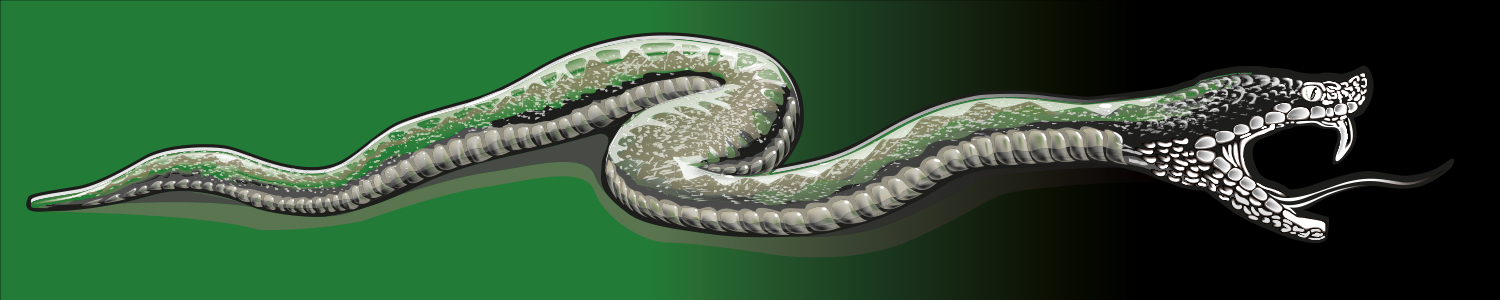
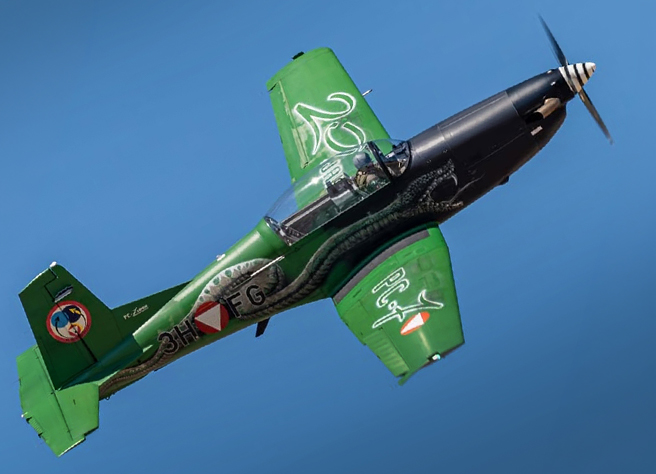
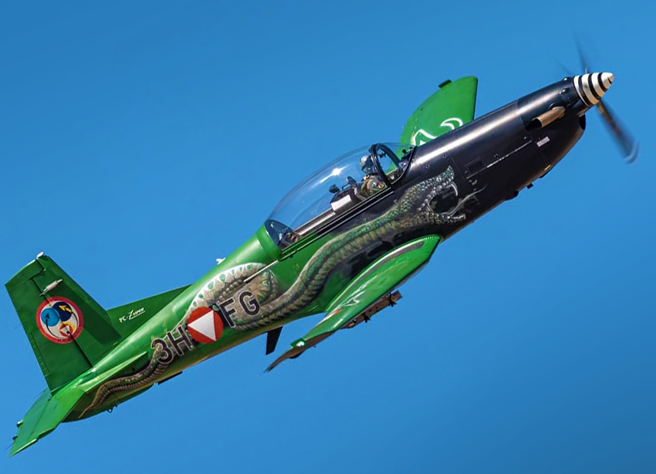
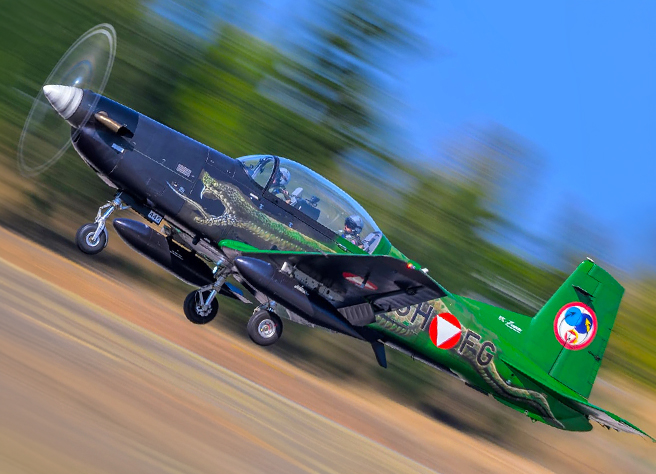
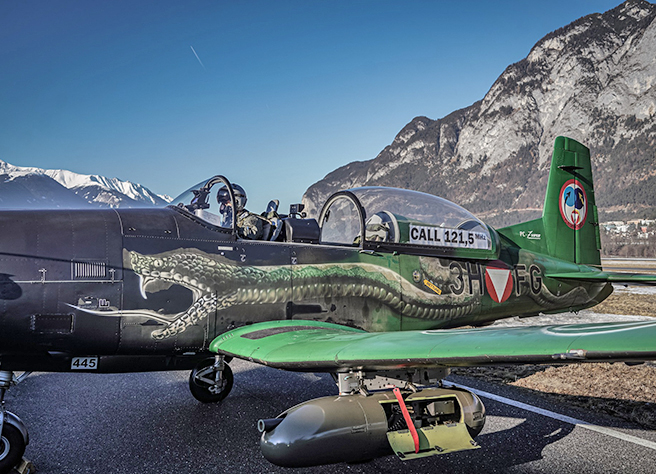
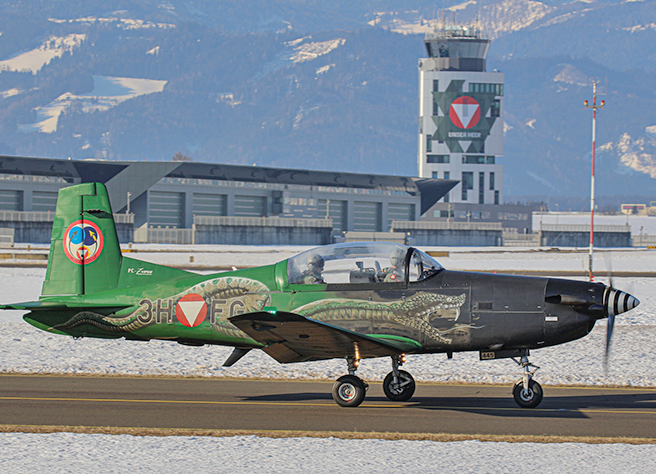
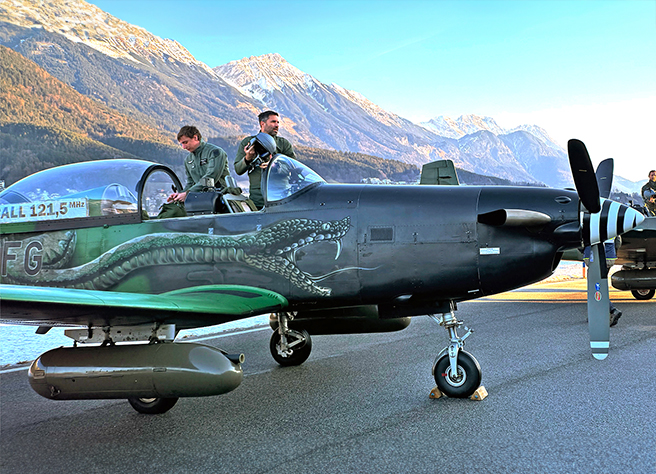
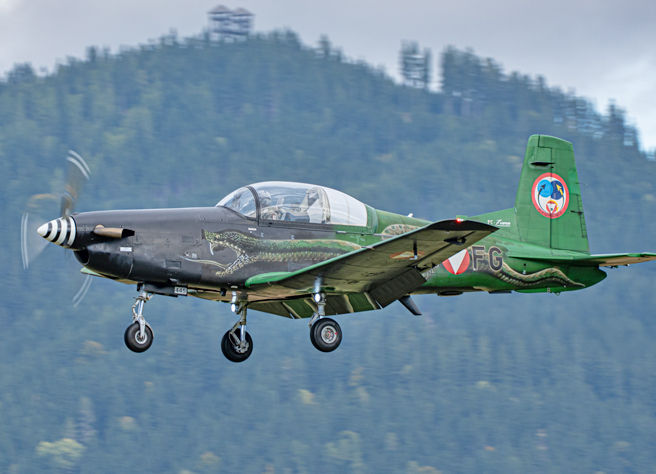
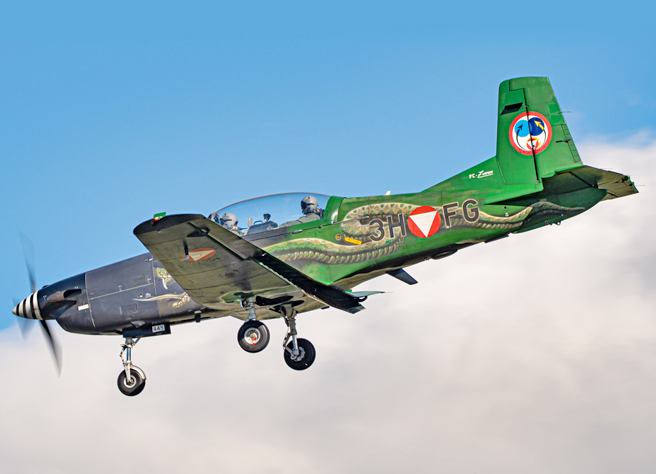
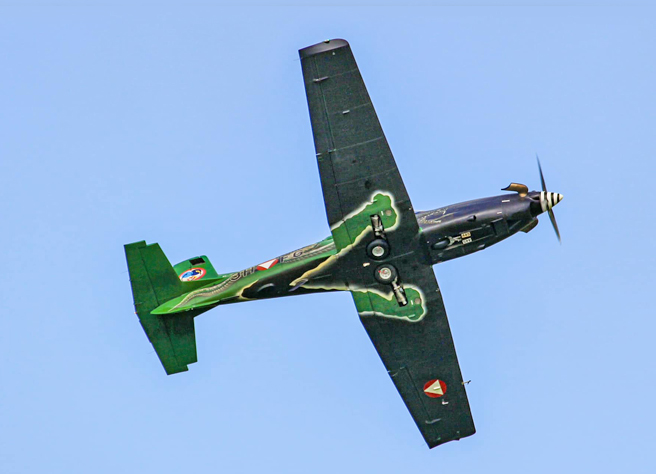
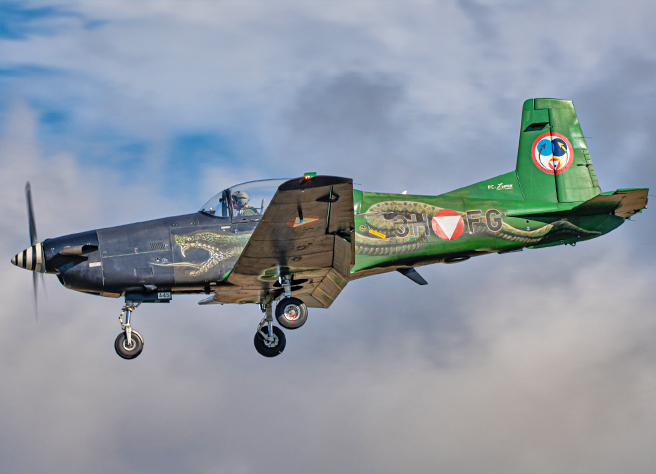
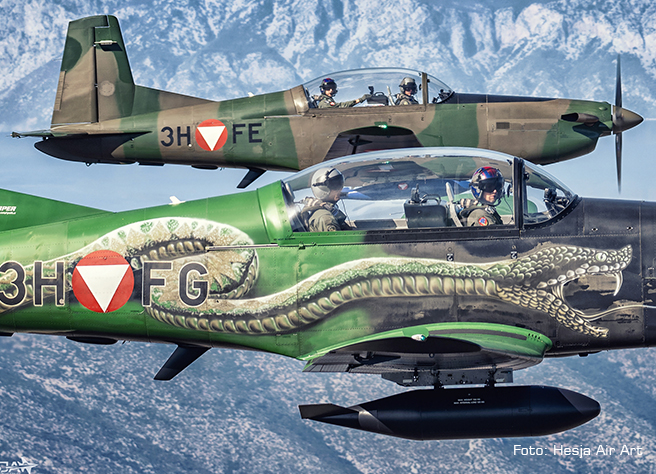
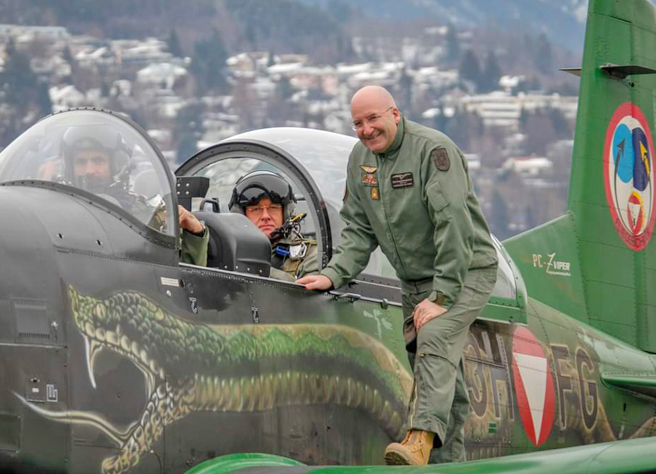
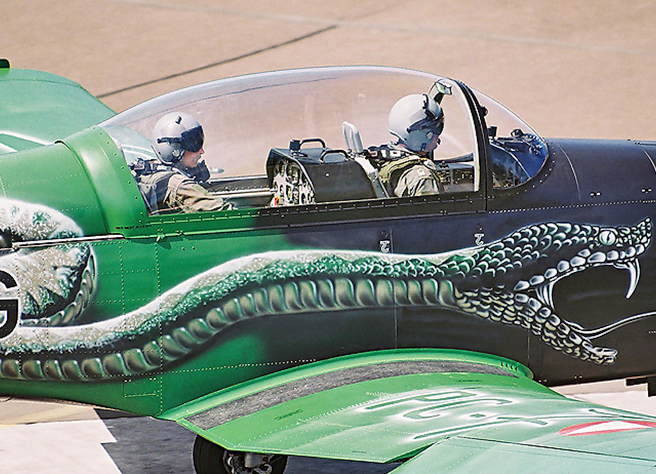
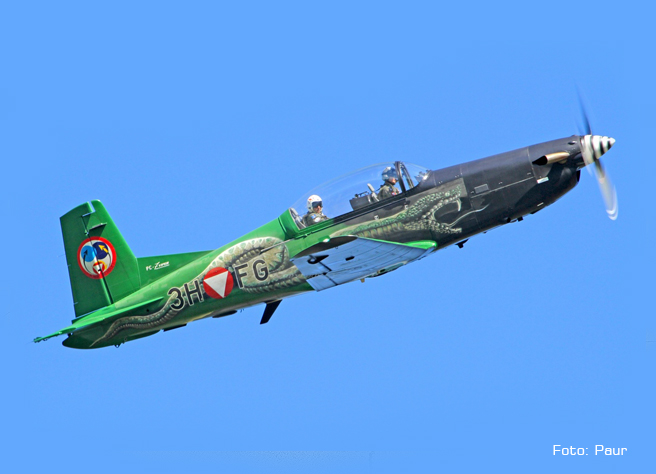
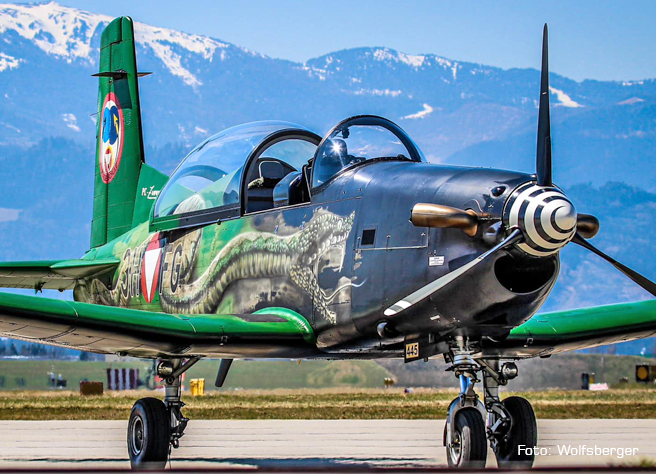
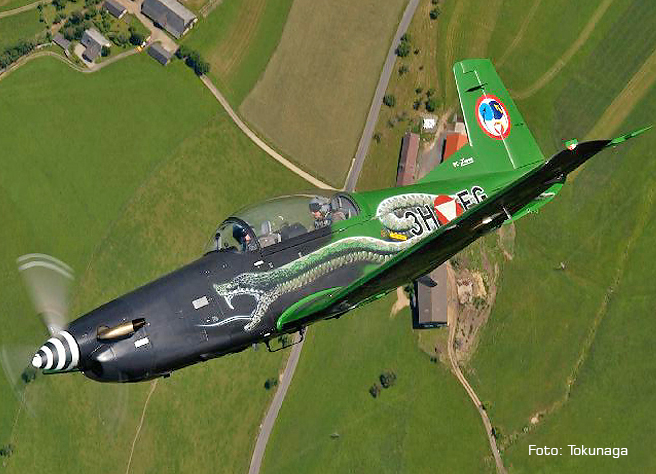
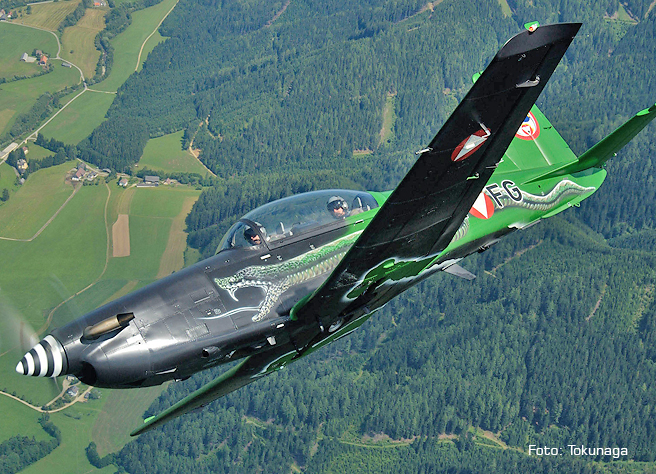
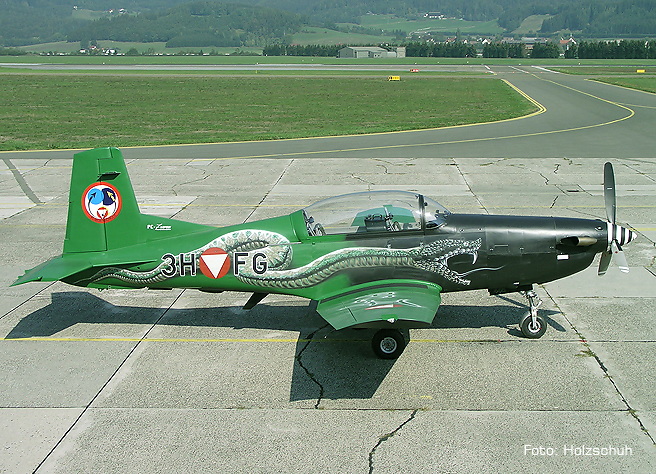
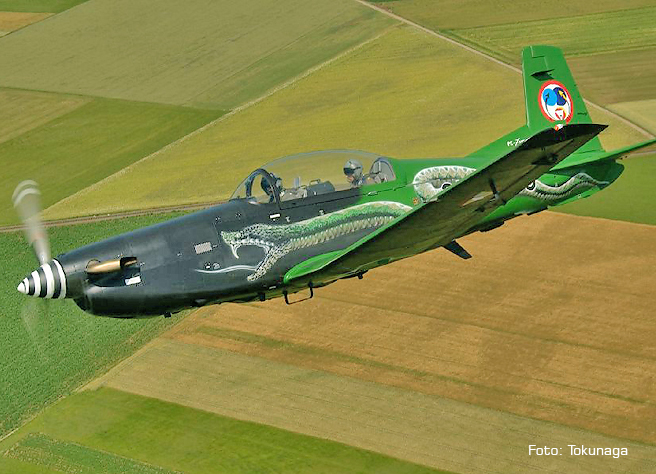
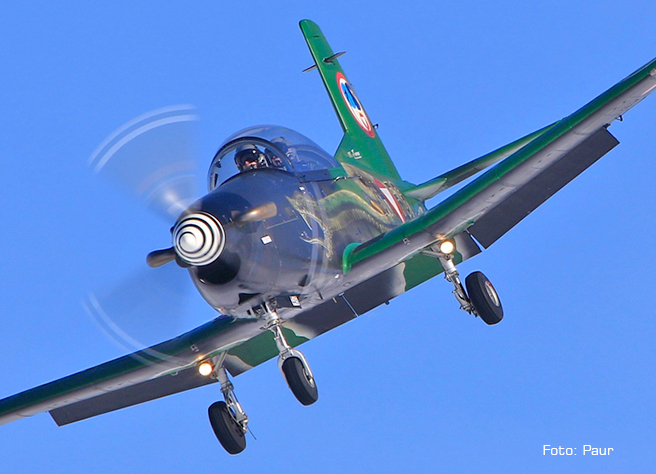
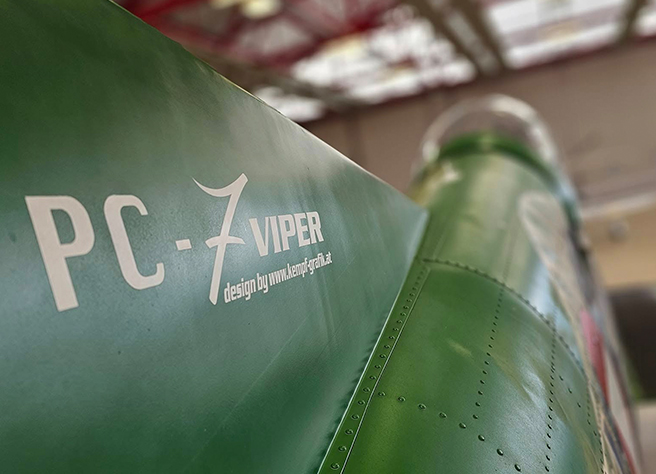
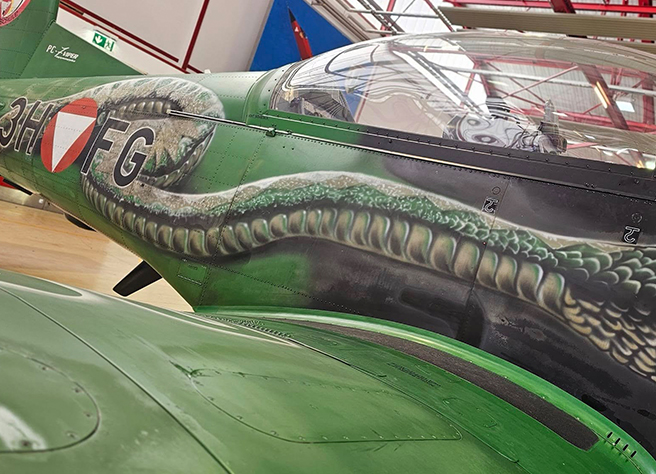
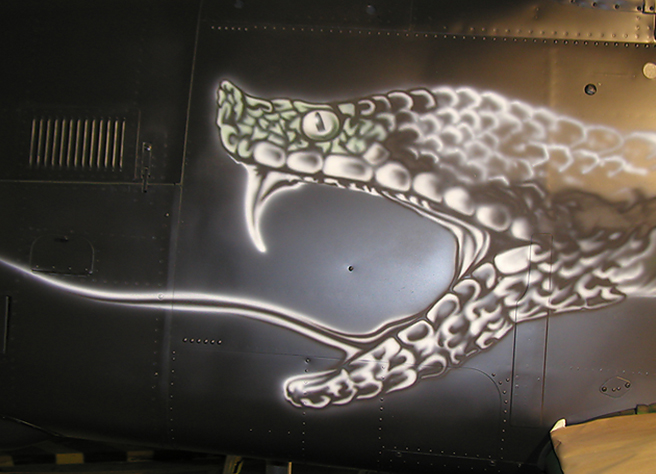
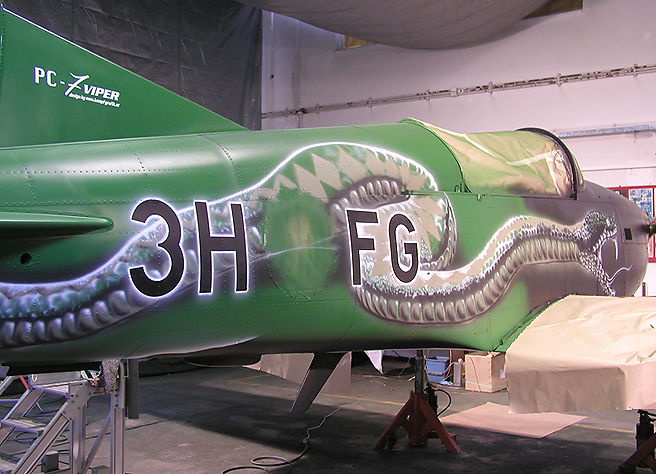
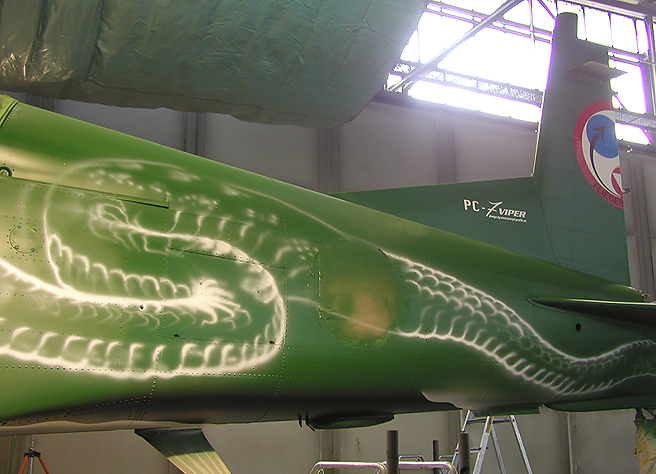
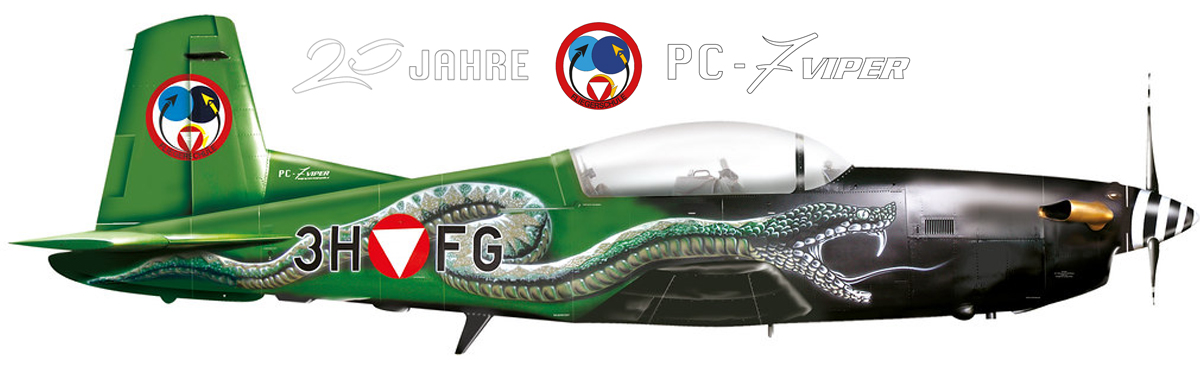
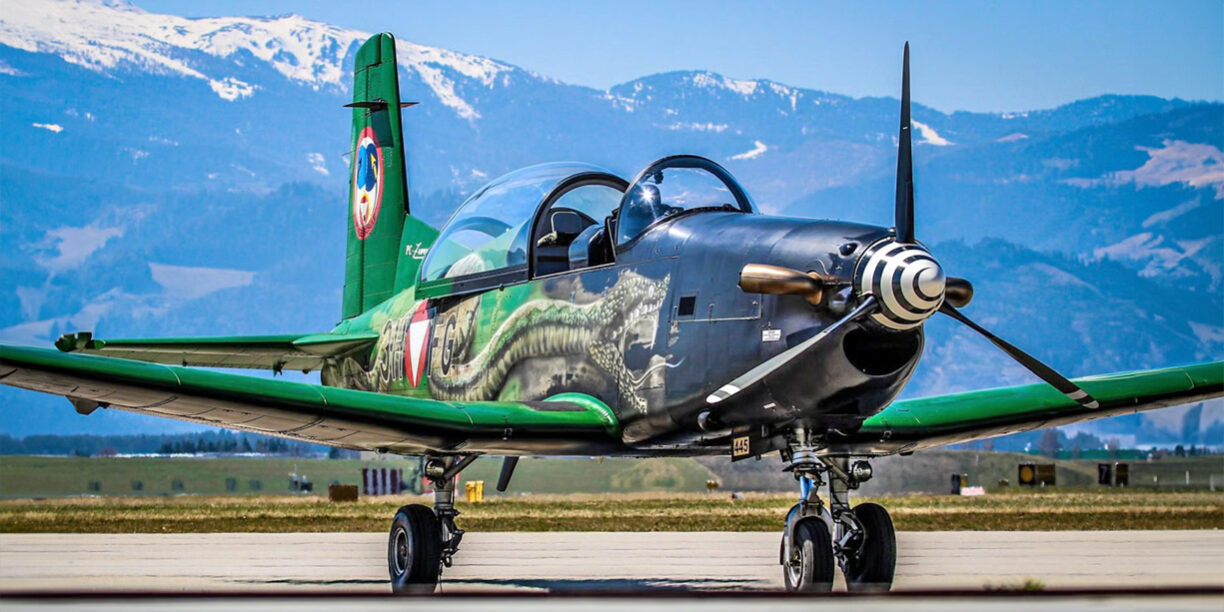
The Pilatus PC-7 Turbo Trainer “VIPER” of the Flying School in Zeltweg, Austria, has been a familiar and striking presence in the skies for more than 20 years. Its distinctive appearance is the result of a carefully planned design and execution process that began in December 2002. At that time, the Flying School approached Gerhard Kempf Grafikdesign with the request to develop a special livery for a Pilatus PC-7. The commission covered the entire process—from the initial design concept through to on-site execution in Zeltweg, Styria. The brief called for a bold snake motif, specifically a viper, to mark the 20th anniversary of the PC-7 in Austrian Air Force service. The “VIPER” name itself originates from the tactical radio identification used in military flight operations for the PC-7.
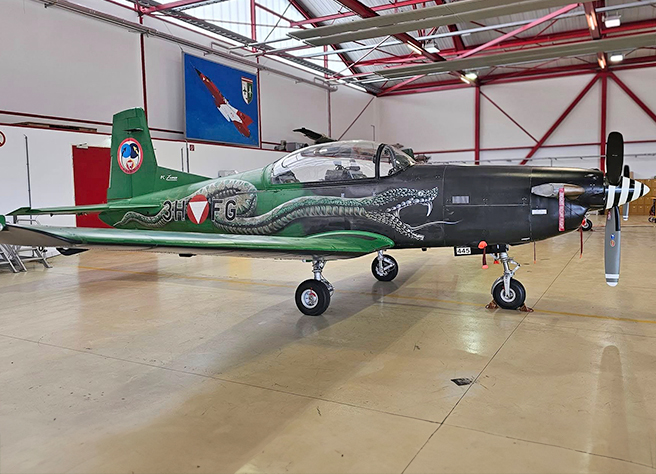
Following the creation of several design drafts, the final layouts were presented on March 13, 2003, in Zeltweg. Representatives from the Flying School’s instructional department and the technical logistics department took part in the review. During this meeting, technical feasibility, visual design guidelines, and the overall visual impact were thoroughly evaluated. The aircraft selected for the special paint scheme was 3H-FG, chosen due to its remaining flight hours before the next major maintenance interval. A precisely coordinated schedule ensured that the project would be completed in time for the AIRPOWER 2003 air show. Work on the aircraft began on April 14, 2003. By May 12, all preparatory steps—including sanding, priming, removal of the rudder and ailerons, and extensive masking—had been completed. The fuselage then received its first coat of paint in RAL 6002 (Leaf Green). As no dedicated paint booth was available, the resulting spray mist was considerable, affecting activities throughout the entire hangar.
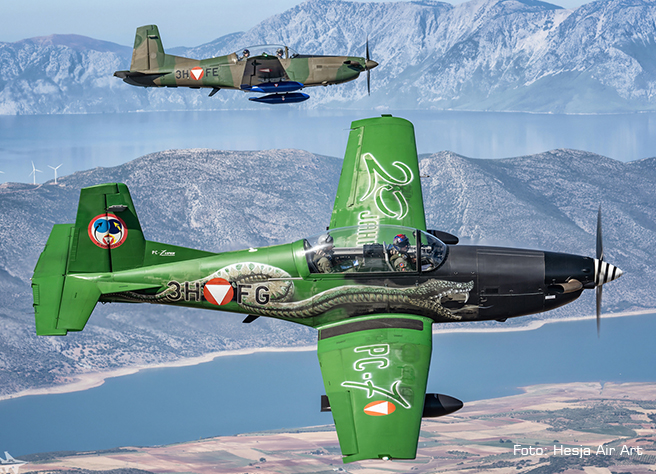
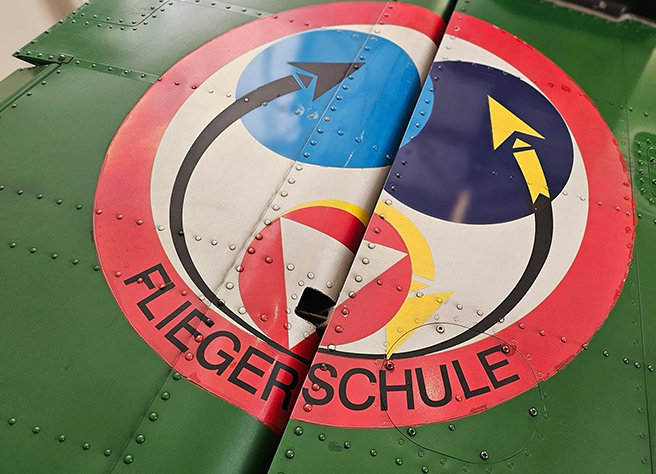
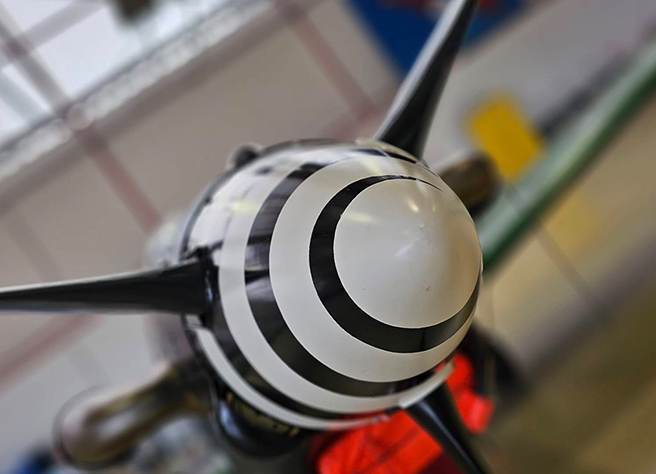
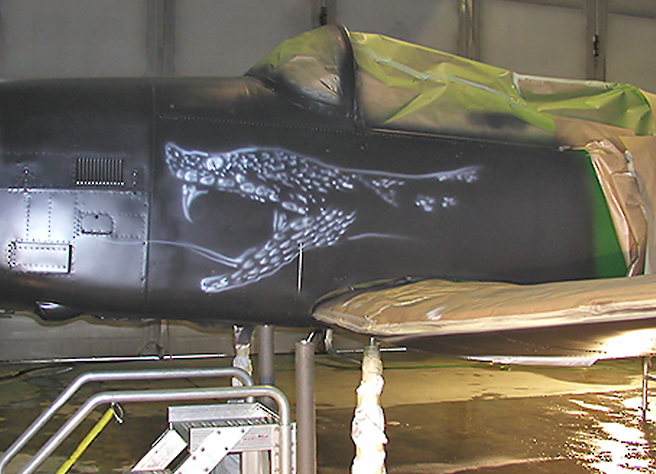
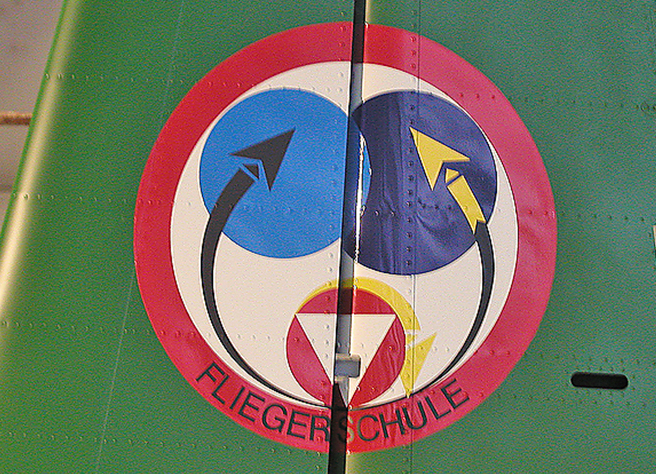
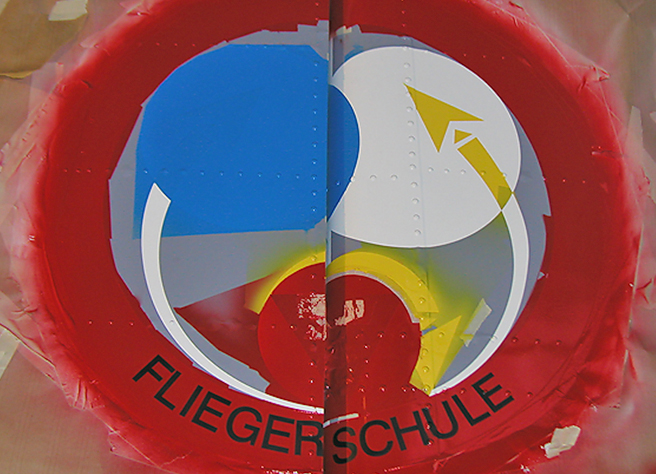
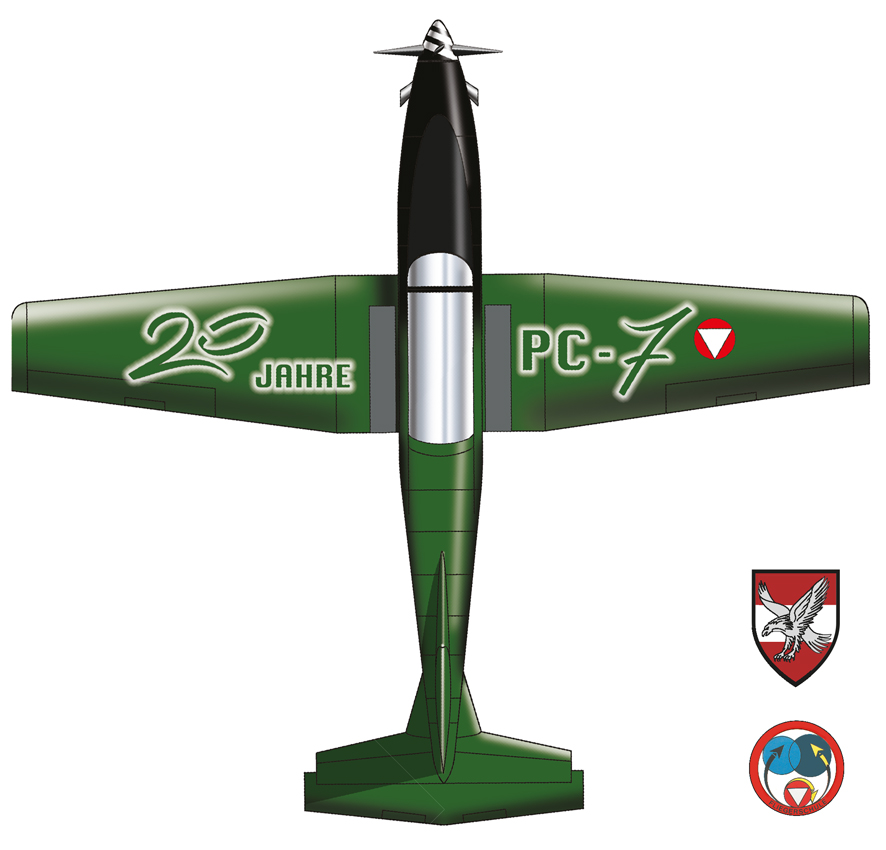
After a curing period of 12 hours, the upper surfaces of the wings were painted the following day. Markings such as the “20 Years of PC-7” lettering on the wings, the large “V” on the underside of the fuselage, and the Flying School badge were applied step by step. The VIPER motif itself was projected onto the fuselage using a slide projector—a challenging task across a total length of more than 10 meters. From May 19 to May 23, 2003, the detailed work on the snake skin pattern and the viper’s head was carried out with great precision. Finally, the spinner—the conical propeller cover—received its finishing touches. Reassembly, aircraft weighing, and several trim adjustments followed, culminating in the long-awaited test flight, which was completed successfully and without any issues. The result was an iconic aircraft livery that has since become a lasting symbol of the PC-7’s legacy in Austria.
To this day, the aircraft continues to fly in this distinctive special livery and remains fully operational. Thanks to its unique appearance and strong visual identity, the PC-7 “VIPER” is a popular and frequently invited participant at air shows. It is a regular and much-appreciated guest at AIRPOWER in Styria and has also been displayed at numerous international aviation events, including the Athens Flying Week, where it continues to attract significant attention from aviation enthusiasts and the general public alike.